You have no items in your shopping cart.

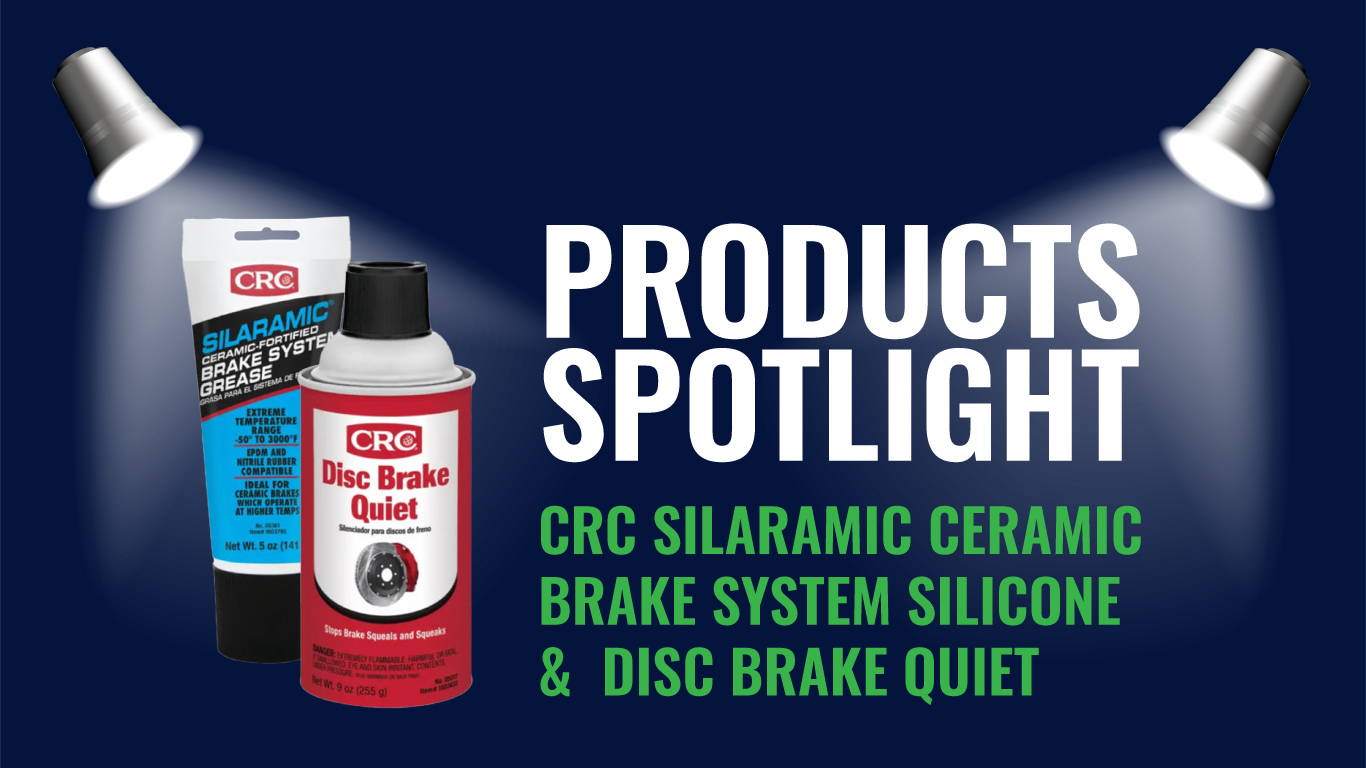
There is nothing worse than noisy brakes, especially when the brakes are relatively new and still have a long life ahead of them.
The noise generated during braking can be caused by various factors, including:
- Vibration: As mentioned earlier, when the brake pads make contact with the rotating brake rotor, it can create vibrations, leading to noise.
- Brake Pad Material: The composition of brake pads can impact the noise level. Some brake pad materials may be more prone to generating noise during braking.
- Brake System Design: The design of the brake system, including caliper construction and hardware, can also influence brake noise.
- Environmental Factors: External conditions, such as humidity or temperature, can affect brake performance and noise.
CRC® Silaramic® Brake System Grease and CRC Disc Brake Quiet are two different products with distinct formulations and purposes, although both aim to reduce brake noise and vibrations. Here are the main differences between the two:
Formulation:
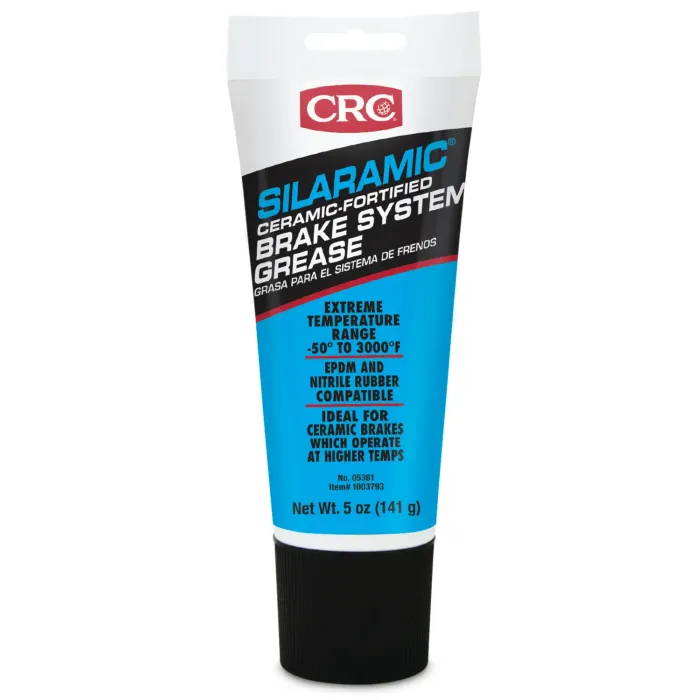
CRC® Silaramic® Brake System Grease: This product is a synthetic, dry-film, ceramic lubricant. It is designed to dampen brake vibrations and reduce noise by providing a protective layer between brake components. Its ceramic properties ensure high thermal stability and effectiveness across a wide temperature range.
Application:
CRC® Silaramic® Brake System Grease: This grease is suitable for application on various brake system components, including calipers, bushings, pins, inserts, and bolts. It provides a protective layer to reduce friction and uneven pad wear.
Lubrication Type:
CRC Disc Brake Quiet: It is a wet lubricant in aerosol form, designed to penetrate and provide immediate lubrication upon application.
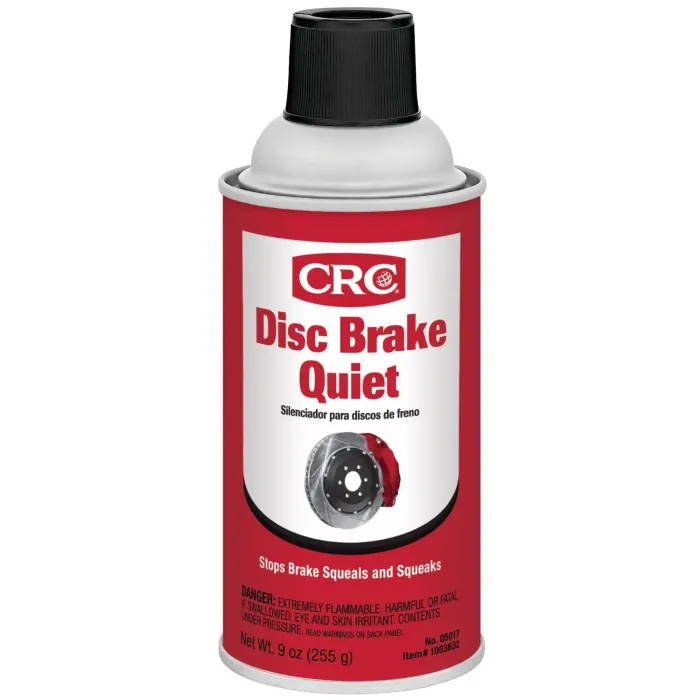
CRC Disc Brake Quiet: This product is specifically formulated as an aerosol brake parts lubricant. It is designed to eliminate brake squeals, chatter, and noise by dampening the vibrations between the brake pads and calipers. It helps to create a quieter braking experience.
CRC Disc Brake Quiet: This aerosol lubricant is typically applied directly to the back of brake pads during installation. It forms a thin film between the pads and calipers, reducing noise and vibration.
CRC® Silaramic® Brake System Grease: It is a dry-film lubricant, which means it remains in place and does not run off or wash out, offering long-lasting protection.
In summary, CRC® Silaramic® Brake System Grease is a ceramic-based dry-film lubricant that is applied to various brake components to dampen vibrations and reduce noise, providing long-lasting protection. On the other hand, CRC Disc Brake Quiet is an aerosol-based wet lubricant that is specifically applied to the back of brake pads to eliminate brake noise and improve braking performance. The choice between the two products would depend on the specific needs and preferences of the user and the application method required for their vehicle.